
Revitalizing Communities with Neighborhood Schools
April 16th, 2026
A community isn’t quite the same without a neighborhood school.
Some might call it the heart of a neighborhood — a place where the future is constantly in motion, with generations of students passing through its doors. At its core, a neighborhood school is rooted in a simple idea: children should be able to learn close to home, walk to class, and grow up alongside the neighbors they know.
Families see one another at morning drop-off. Gymnasiums and auditoriums fill for concerts, games, and celebrations. Over time, a school becomes part of a place’s identity — a steady presence that helps define the character of a community. That’s something we recognize and take to heart at CSG.
Over the years, it has been a privilege to work alongside districts across the State of Connecticut to support community-based schools. We take pride in serving as a guide, helping shepherd complex school construction programs with discipline, transparency, and a long-term perspective.
In both Norwalk and Norwich, we have supported multi-year facilities master plans representing significant public investments in education — more than $400 million in Norwalk and $385 million in Norwich.
Within those programs are two projects that stand out for what they represent beyond construction alone: the return of neighborhood schools.
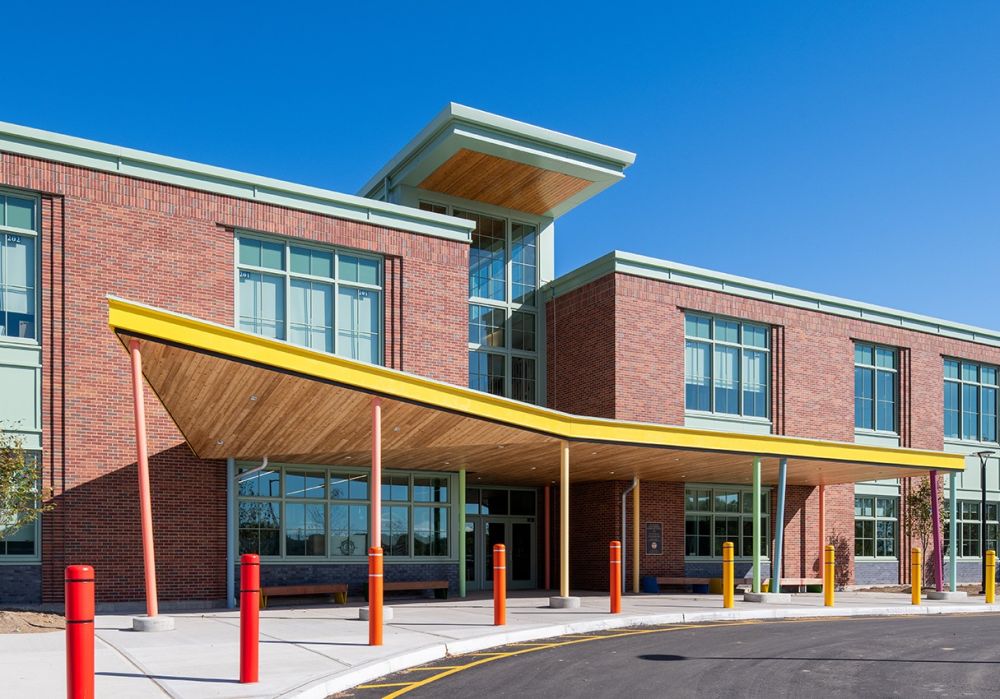
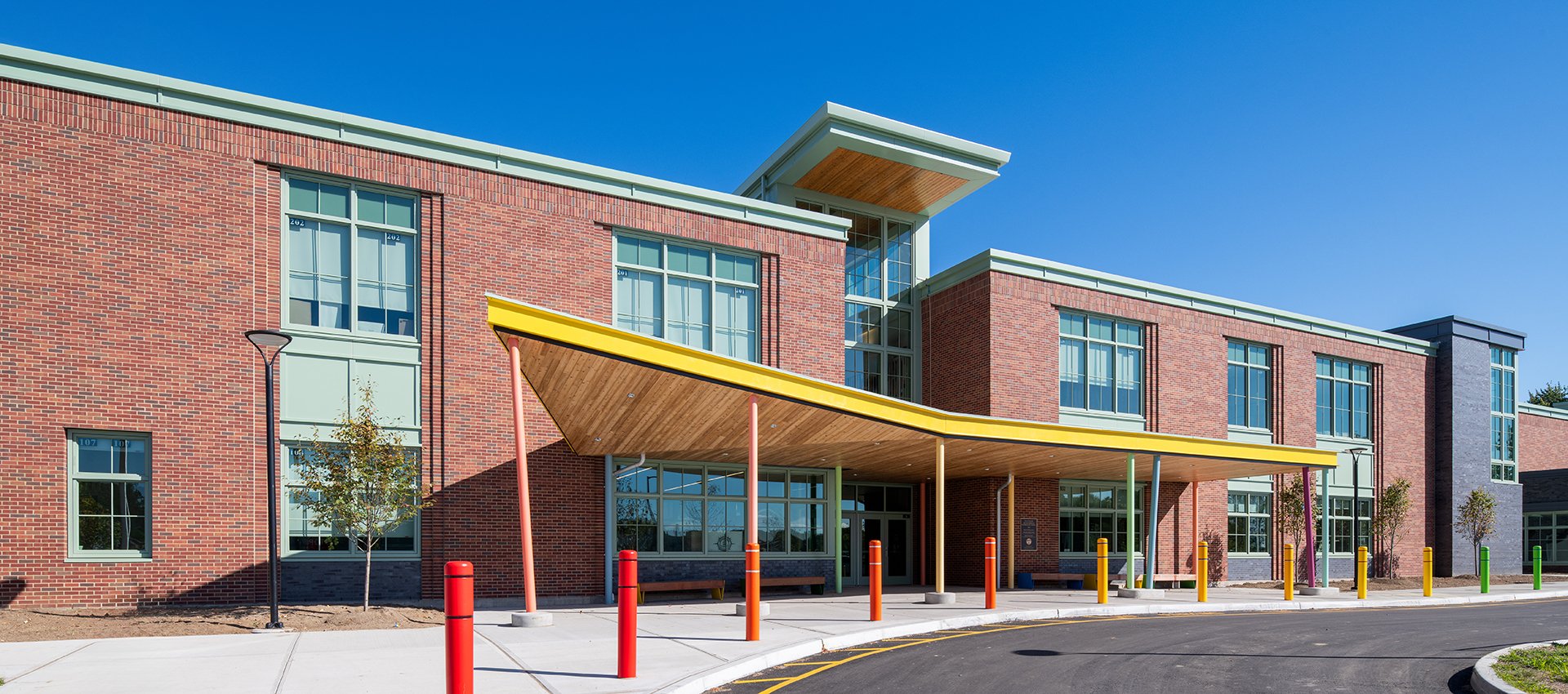
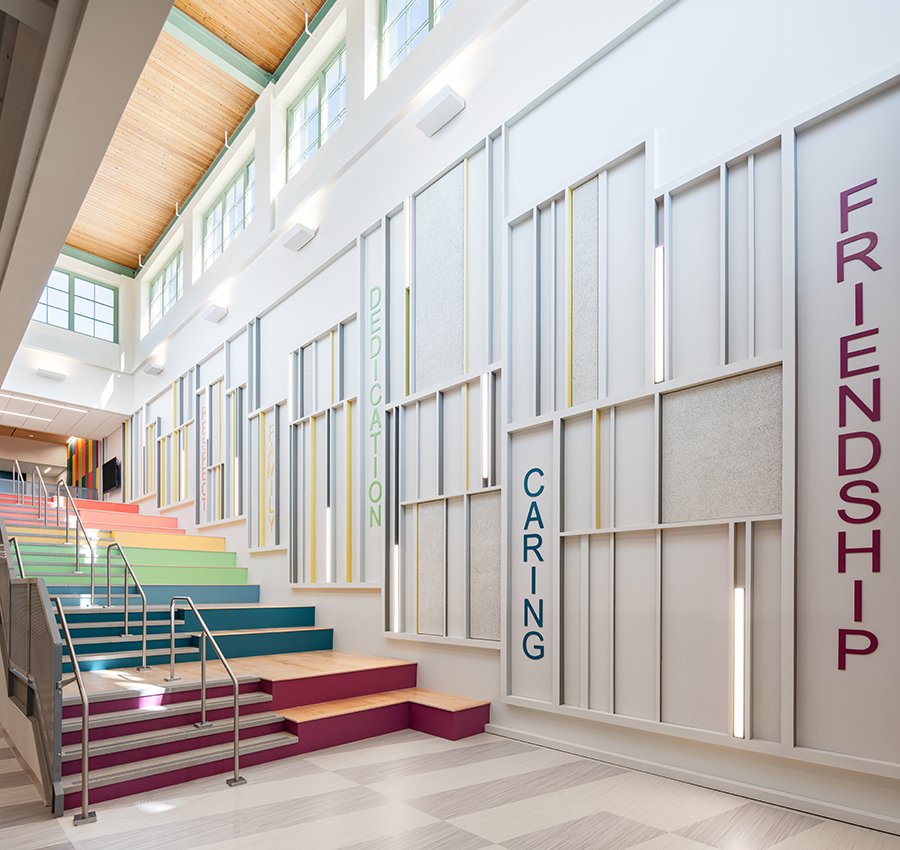
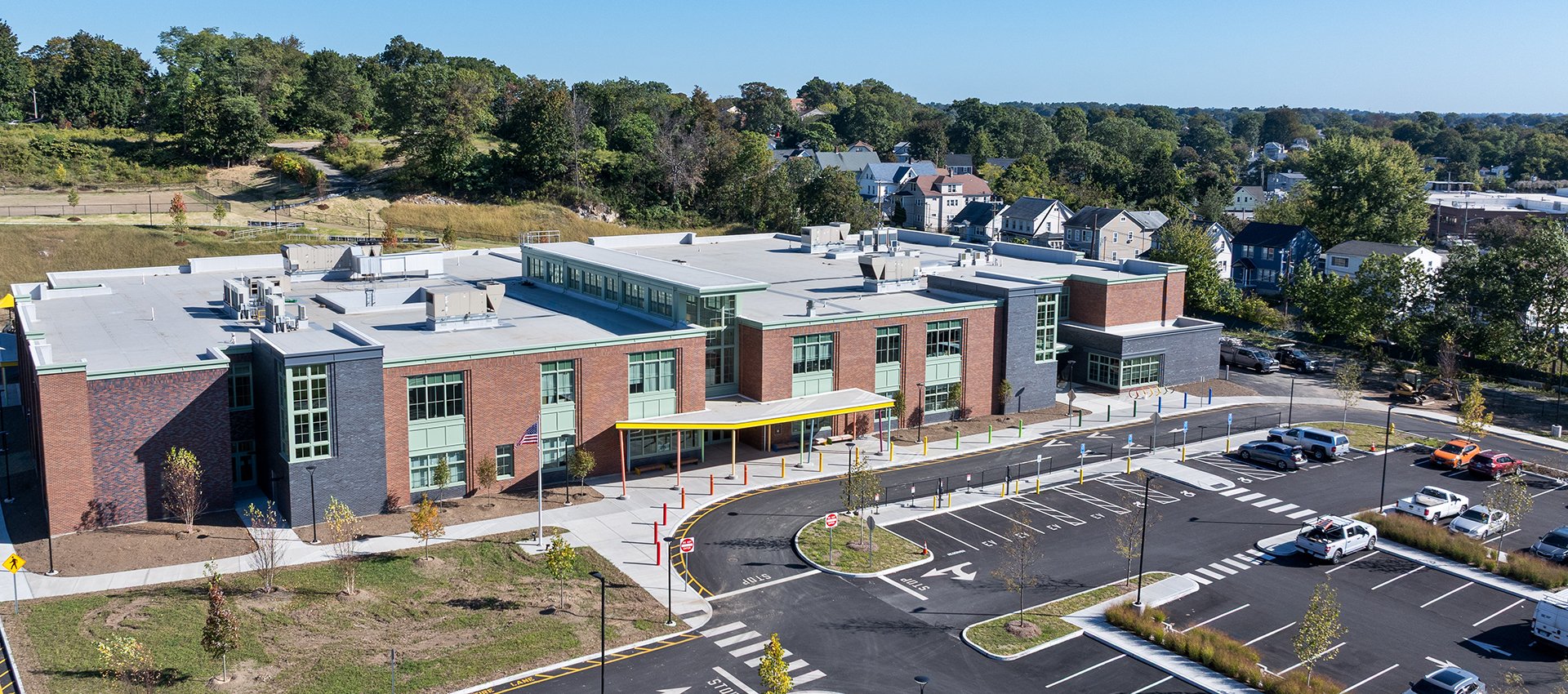
In Norwalk, the new South Norwalk Elementary School marks the first new neighborhood school built in South Norwalk in more than 40 years. The 86,332-square-foot facility, which opened for the 2025–2026 academic year, serves more than 600 students in grades K–3. Situated on a 12-acre site, the school was thoughtfully planned to serve the South Norwalk community and relieve overcrowding in other district schools. With modern classrooms, flexible learning environments, and welcoming outdoor spaces, it represents both a capacity solution and a long-term neighborhood investment.
“When a city commits to a neighborhood school, it is making a long-term commitment to the people who live there. South Norwalk Elementary reflects that kind of vision — creating a place where students can learn close to home and where the school itself becomes part of the community’s future,” says Jim Giuliano, President.
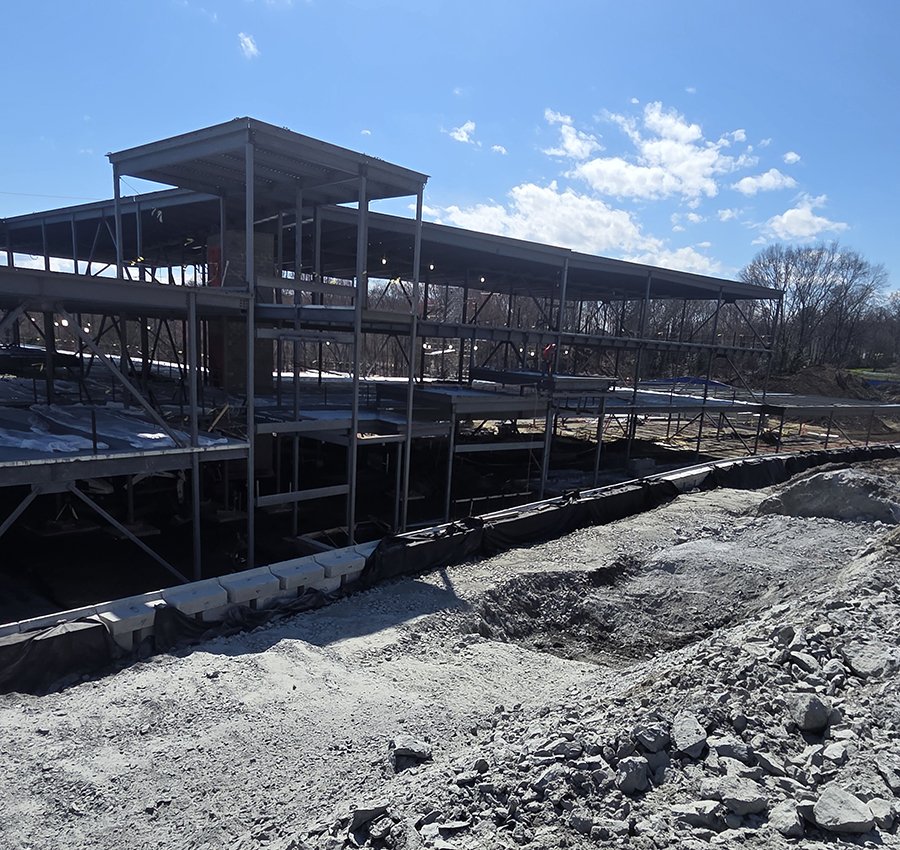
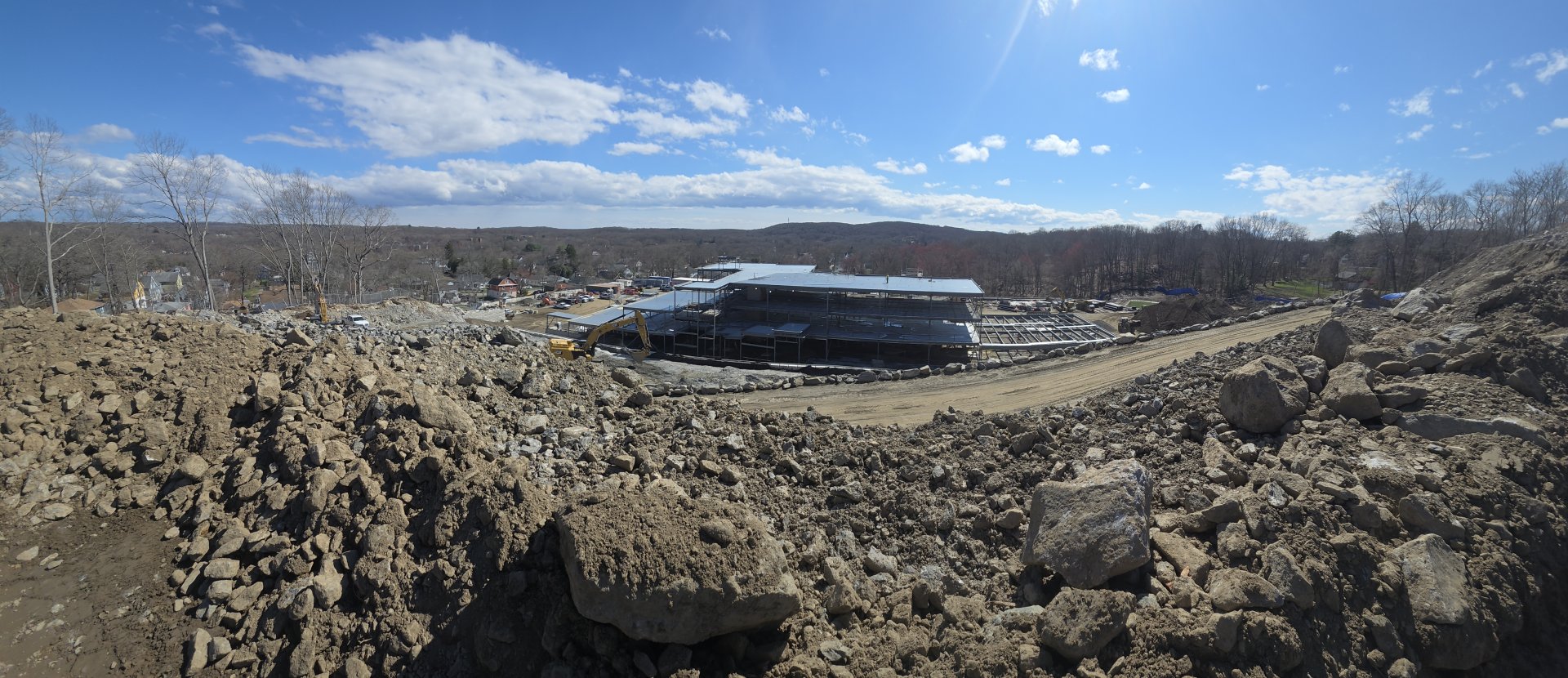
In Norwich, the new Greeneville Elementary School brings a community school back to its original site for the first time since the previous building closed in 2010. The approximately 80,000-square-foot facility will serve nearly 600 Pre-K through Grade 5 students. Located in the historic Greeneville village — named for early industrialist William Greene — the project reconnects the neighborhood with an institution that once played a central role in daily life. Now under construction and progressing toward completion in early 2027, the new school restores a local option for families who have spent more than a decade without one.
“Projects like Greeneville Elementary show that school construction is not only about new space — it is about restoring access, connection, and community identity,” says Mike Faenza, Senior Project Manager. “Bringing a school back to this neighborhood helps reestablish something that has long been part of daily life here.”
These are large, complex capital projects requiring careful coordination, financial stewardship, and steady leadership. But they also demonstrate something more fundamental: when cities choose to reinvest in neighborhood schools, they reinforce stability and strengthen the fabric of their communities.
Managing programs of this scale requires technical expertise and fiscal accountability. It also requires an understanding that schools are long-term civic assets. We are proud to support Norwalk and Norwich in delivering facilities that meet today’s educational needs while restoring something many neighborhoods have been missing.
Posted in the categories Announcements, Projects.

